Top Solar Solutions for Homes and Businesses
- solarwareonline
- Sep 24, 2025
- 5 min read

In recent years, solar energy has become a hot topic. With rising energy costs and growing concerns about climate change, many homeowners and businesses are looking for sustainable energy solutions. Solar power offers a way to harness the sun's energy, reduce electricity bills, and contribute to a cleaner environment. In this post, we will explore the top solar solutions available for both homes and businesses.
Understanding Solar Energy
Solar energy is derived from sunlight. It can be converted into electricity using solar panels. These panels are made up of photovoltaic (PV) cells that capture sunlight and convert it into usable energy.
Solar energy is renewable, meaning it won't run out as long as the sun shines. This makes it an attractive option for those looking to reduce their carbon footprint and reliance on fossil fuels.
The technology has advanced significantly over the years, making solar solutions more efficient and affordable.
Benefits of Solar Solutions
Before diving into specific solar solutions, let's look at some of the benefits of using solar energy.
Cost Savings: Solar panels can significantly reduce electricity bills. Many homeowners see a return on investment within a few years.
Environmental Impact: Solar energy is clean and renewable. It helps reduce greenhouse gas emissions and air pollution.
Energy Independence: By generating your own electricity, you become less reliant on utility companies and fluctuating energy prices.
Increased Property Value: Homes with solar panels often sell for more than those without. Buyers are increasingly looking for energy-efficient features.
Government Incentives: Many governments offer tax credits and rebates for installing solar systems, making it more affordable.
Types of Solar Solutions
There are several types of solar solutions available for both homes and businesses. Here are some of the most popular options:
1. Solar Panels
Solar panels are the most common solar solution. They can be installed on rooftops or in open spaces.
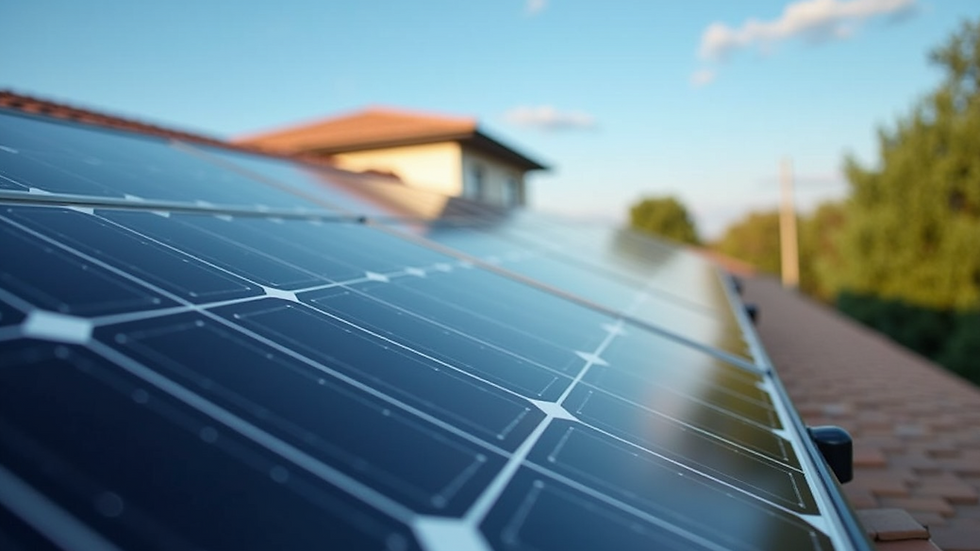
Rooftop Solar Panels: These are installed on the roof of a home or building. They are ideal for residential properties with sufficient sunlight exposure.
Ground-Mounted Solar Panels: These are installed on the ground, making them suitable for larger properties or businesses with ample land.
2. Solar Water Heating Systems
Solar water heating systems use solar energy to heat water for residential or commercial use.
Active Systems: These use pumps and controls to circulate water through the system.
Passive Systems: These rely on natural convection to heat water without the need for pumps.
Solar water heating can significantly reduce energy costs for heating water, making it a great option for homes and businesses.
3. Solar Battery Storage
Solar battery storage systems allow you to store excess energy generated by your solar panels. This energy can be used during the night or on cloudy days.
Benefits: Battery storage increases energy independence and ensures you have power when you need it most.
Popular Options: Brands like Tesla Powerwall and LG Chem are leading the market in solar battery technology.
4. Solar Inverters
Solar inverters are essential components of any solar system. They convert the direct current (DC) generated by solar panels into alternating current (AC), which is used in homes and businesses.
String Inverters: These are the most common type and are suitable for smaller systems.
Microinverters: These are installed on each panel, allowing for better performance in shaded areas.
5. Solar Carports
Solar carports are structures that provide shade for vehicles while generating solar energy.
Benefits: They are ideal for businesses with parking lots, as they can generate energy while providing protection for cars.
Design Options: Carports can be designed to fit various spaces and can even include charging stations for electric vehicles.
Choosing the Right Solar Solution
When selecting a solar solution, consider the following factors:
Energy Needs: Assess your energy consumption to determine the size and type of solar system you need.
Budget: Consider the upfront costs and potential savings over time. Look for available incentives.
Space Availability: Evaluate the space you have for installation. Rooftop systems may be ideal for homes, while ground-mounted systems may work better for businesses.
Local Regulations: Check local regulations and permits required for solar installations.
Real-Life Examples
To illustrate the effectiveness of solar solutions, here are a few real-life examples:
Residential Example: The Smith Family
The Smith family installed rooftop solar panels on their home in California. They chose a 6 kW system, which has significantly reduced their electricity bills.
With the help of state incentives, they recouped their investment in just five years. Now, they enjoy lower energy costs and contribute to a cleaner environment.
Business Example: GreenTech Manufacturing
GreenTech Manufacturing, a mid-sized company, decided to invest in solar carports for their parking lot.
They installed a 100 kW solar system, which not only provides shade for employees' vehicles but also generates enough energy to power their operations during the day.
The company has seen a reduction in energy costs and has improved its sustainability image.
The Future of Solar Energy
The future of solar energy looks bright. As technology continues to advance, solar solutions are becoming more efficient and affordable.
Innovations: New materials and designs are being developed to increase the efficiency of solar panels.
Integration: Solar energy is being integrated into various aspects of daily life, from smart homes to electric vehicles.
Global Adoption: More countries are investing in solar energy, making it a key player in the global energy market.
Making the Switch to Solar
If you are considering making the switch to solar energy, here are some steps to get started:
Research: Learn about different solar solutions and their benefits.
Consult a Professional: Speak with a solar energy expert to assess your needs and options.
Get Quotes: Obtain quotes from multiple solar providers to compare costs and services.
Check Incentives: Look for local and federal incentives that can help reduce your costs.
Make the Investment: Once you have all the information, make the decision to invest in solar energy.
Embracing Solar Solutions
Solar energy is not just a trend; it is a sustainable solution for the future. By embracing solar solutions, homeowners and businesses can save money, reduce their environmental impact, and contribute to a cleaner planet.
As technology continues to evolve, the possibilities for solar energy are endless. Whether you are looking to install solar panels, a solar water heating system, or a solar carport, there is a solution that fits your needs.
The time to act is now. Join the solar revolution and be part of the change for a brighter, more sustainable future.


Comments